Pipeline Validation & Leak Detection
Owning a complex, data-heavy product from concept to delivery
Role: UIUX Engineer, Human Factors Researcher, PM
Product: IntelliFlux – Pipeline Validation & Leak Detection
Team: Internal & Outsourced engineering teams (front-end, back-end, data)
Utility companies rely on hydraulic models to understand how water moves through large pipeline networks. While the data existed, engineers struggled to validate models or confidently identify leaks because analysis lived in spreadsheets, disconnected from real-world geography.
I owned the product definition and delivery of IntelliFlux’s Pipeline Validation and Leak Detection tool, working end-to-end with an outsourced development team.
Product Context
At the start, there was no clear product shape while encountering a limited capability.
Simulation outputs were accurate, but difficult to use. Engineers spent significant time cross-checking CSV files against static maps, some CSS/HTML and manual notes combined with existing Grafana dashboard on plant reports. The core problem wasn’t missing data, but the effort required to turn data into decisions.
My responsibility was to translate this operational pain into a clear, buildable product direction.
Defining the Problem
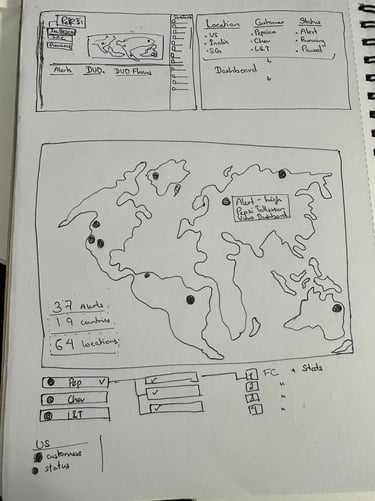
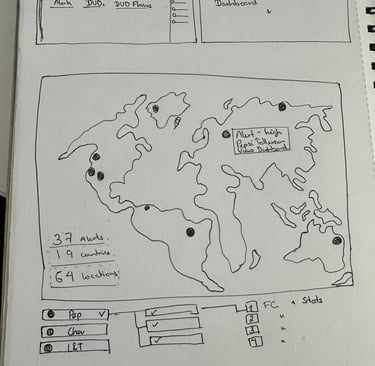
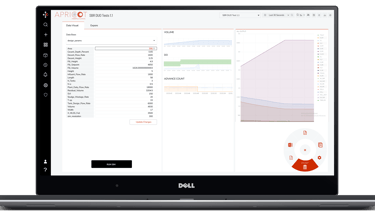
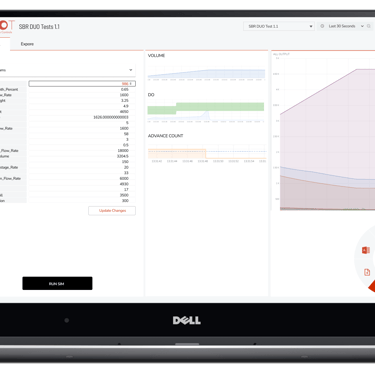
Pipeline networks generate massive, complex datasets — flow rates, elevations, valve states, pressures, and more. Existing validation workflows were slow, fragmented, and required heavy manual effort. The challenge was to design a tool that: Clearly visualized pipes, junctions, and nodes on a map, validated hydraulic models against live or uploaded data, surfaced technical parameters in a way that was digestible and actionable, supported both control-room monitoring and field-based validation.
Product Direction and Scope
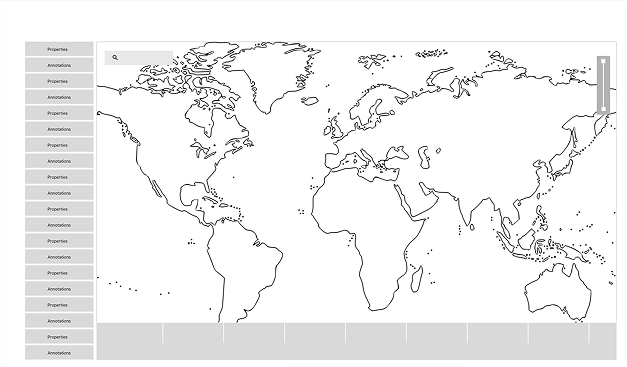
I acted as the main point of contact between business stakeholders, domain experts, VP of technology and the external engineering team.
This included:
Writing and refining product requirements
Translating domain concepts (nodes, junctions, upstream/downstream) into actionable stories
Prioritizing features based on user value and technical effort
Reviewing builds and providing structured feedback
Clear documentation and consistent communication were critical to keeping the team aligned across time zones. I used Jira as well as Monday.com to plan out the project and backlog management and led regular standup meetings.
Working with An Internal and Outsourced Engineering Team
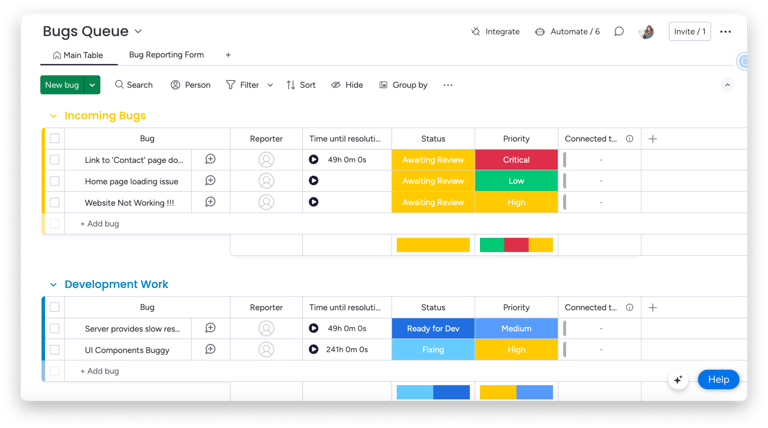
I conducted research with utility engineers and operators, who emphasized the difficulty of correlating CSV-based simulation data with real pipeline maps. Using this data, I iterated the design and executed GIS integration with developers and refined usability.
Interactive Map: Pipelines displayed with flow-based color gradients; junctions and nodes marked for clarity. Metadata Panel: Auto-updates with technical parameters (e.g., node elevation, roughness, number, flow rate). Layer Controls: Users toggle pipes, junctions, and sub-networks for focused analysis. CSV Import: Quick model-to-field validation with visual overlays.
Leak Detection Workflow: Operators can isolate node ranges, apply filters, and visualize anomalies in context.
Product Evolution
Challenge
Because of the system’s technical complexity and tight timelines, it was challenging to incorporate ongoing customer and stakeholder feedback while still delivering a usable MVP. To move faster, I used Felt Map to prototype and validate key workflows in real time before committing them to the development environment.
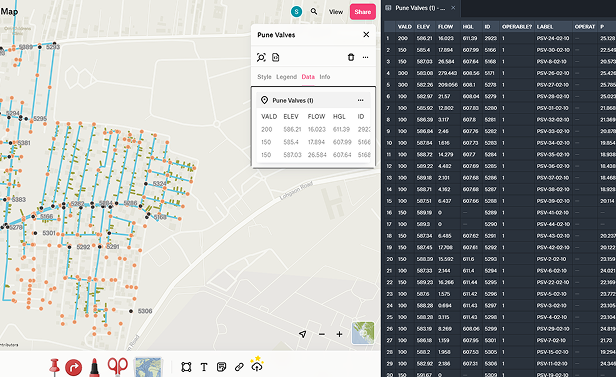
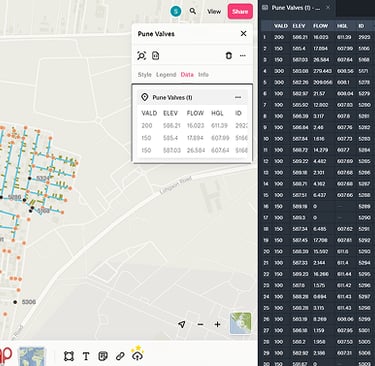
The final product enabled engineers to validate hydraulic models directly on a map, isolate suspicious segments, and understand upstream and downstream behavior without manual cross-referencing.
Validation cycles were shortened, confidence in leak identification improved, and IntelliFlux’s platform moved beyond monitoring toward operational decision support.
The software Apricot by IntelliFlux is now currently used by EFAS Technology as Global AI Leak Locator (GAILL).
Outcome
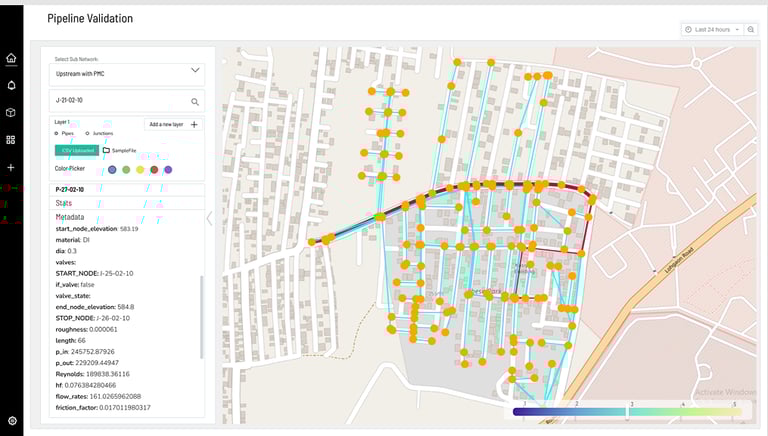
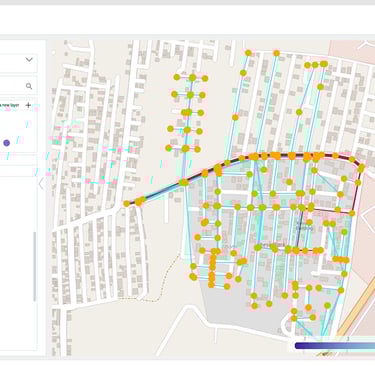
Reflection: I redesigned the tool through my reflections as a personal project, and you can view the detail case study below.