GiftShop
Accelerating 28% Growth in Checkout Completion
Project Type: Ecommerce product design for GiftShop (Paris)
Role: UX & Product Designer
Platform: Web Product Design
Focus: Increase conversion rate and usability
Industries: Ecommerce
Project Overview
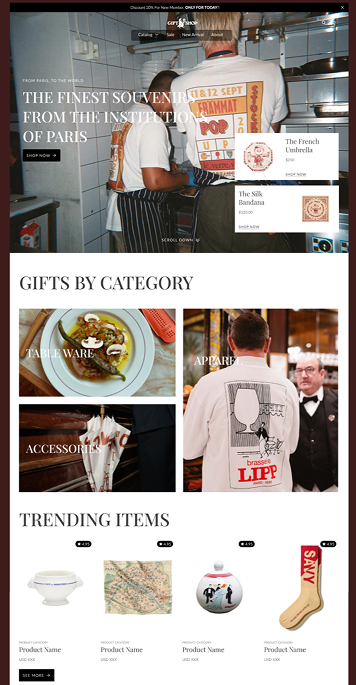
Giftshop.club is a Paris-based publishing house of souvenirs celebrating the city’s most iconic institutions. The platform offers curated collections—from tableware to apparel—while sharing the stories behind the people and places that make Paris unique.
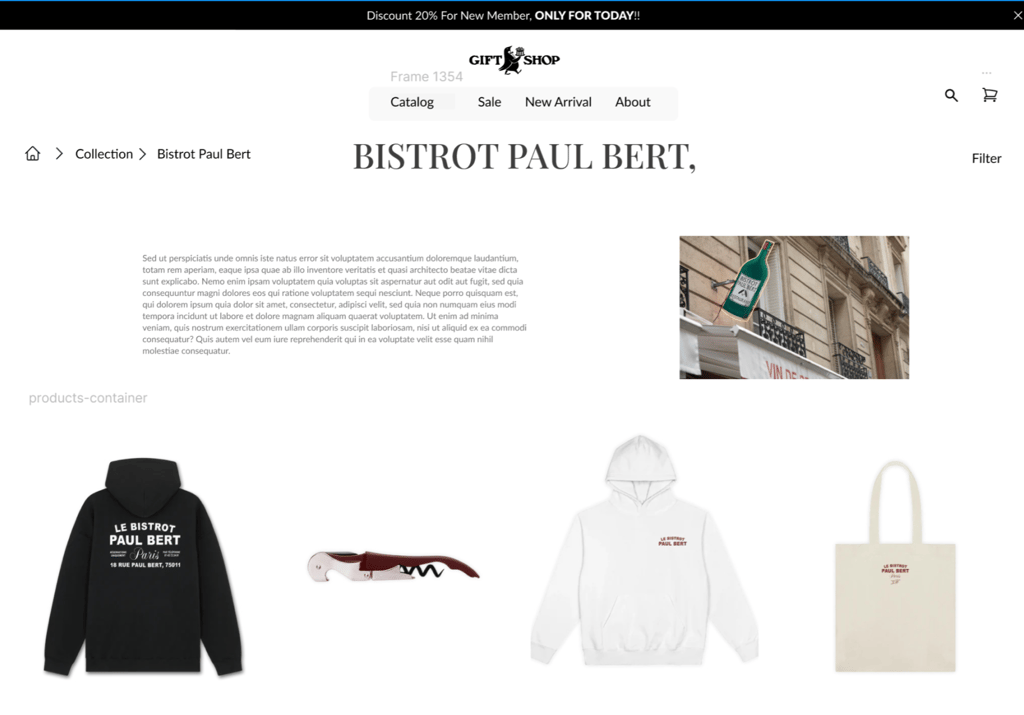
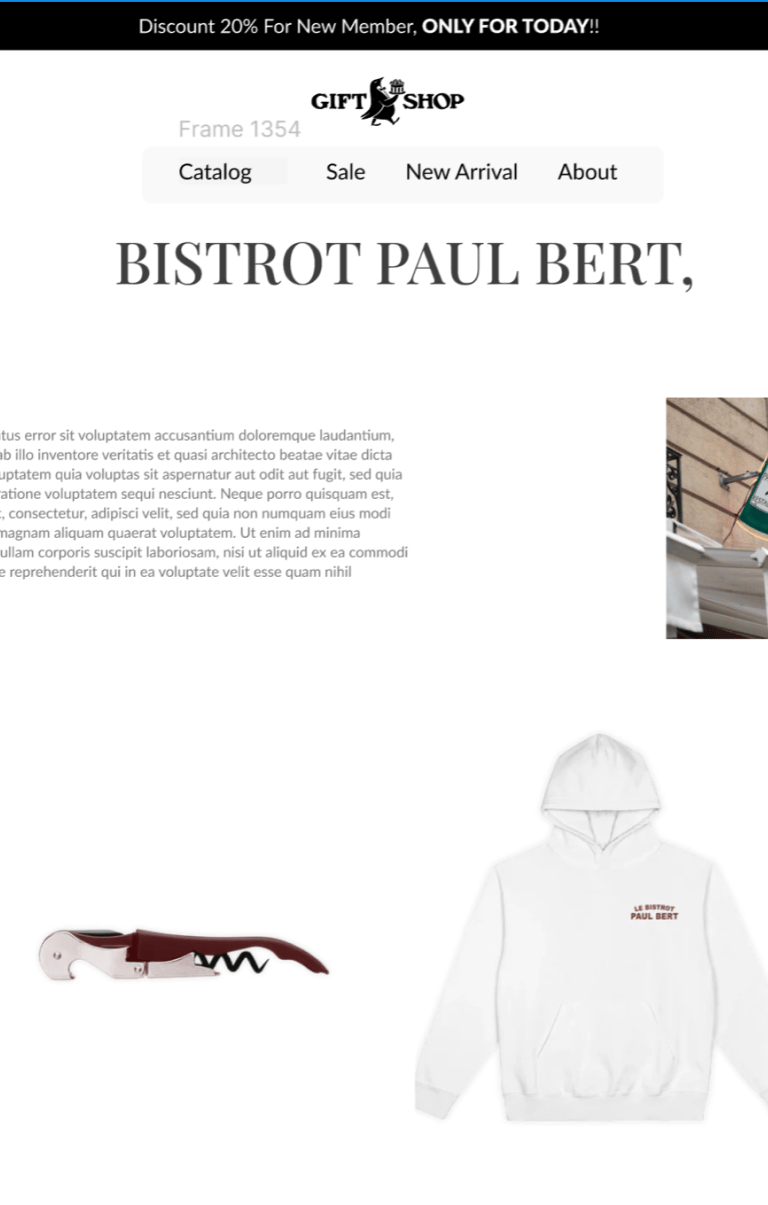
As the UX & Web Designer, I led the redesign of Giftshop.club to transform it from a static catalog into a seamless blend of commerce and storytelling. This project aimed to solve usability issues, improve product discovery, and elevate the editorial experience to connect customers with Paris’s cultural institutions.
Problem Statement
The old Giftshop.club website struggled to balance its dual purpose as both a shopping platform and an editorial storytelling hub:
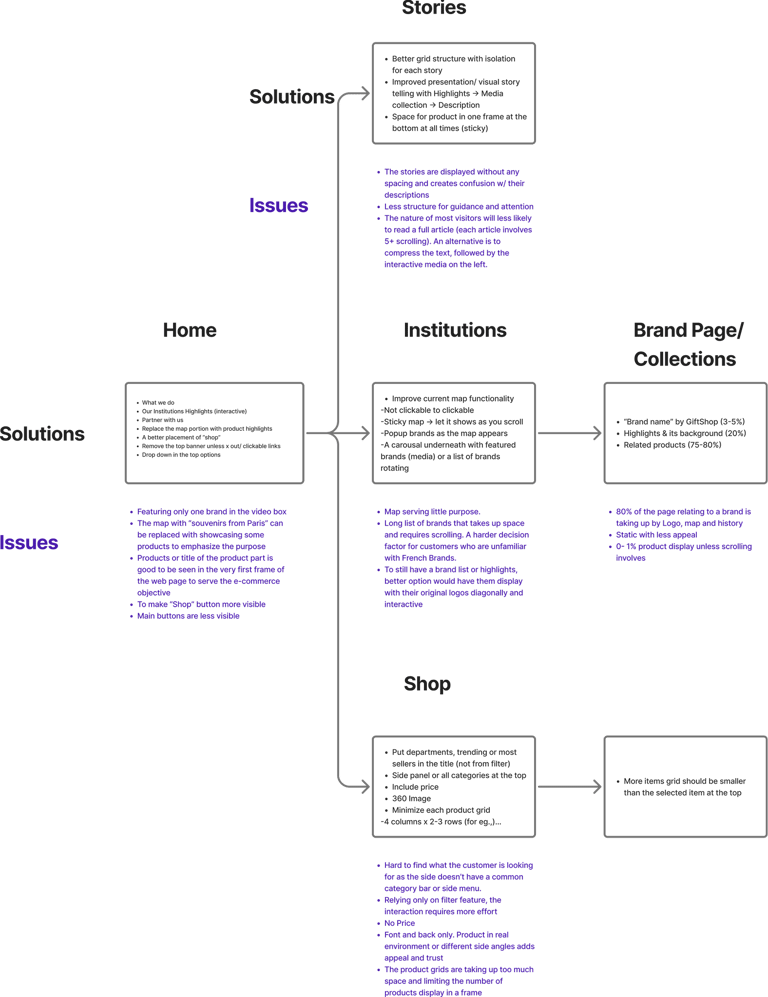
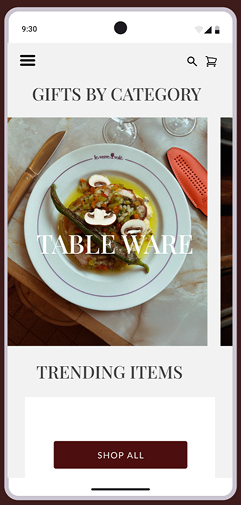
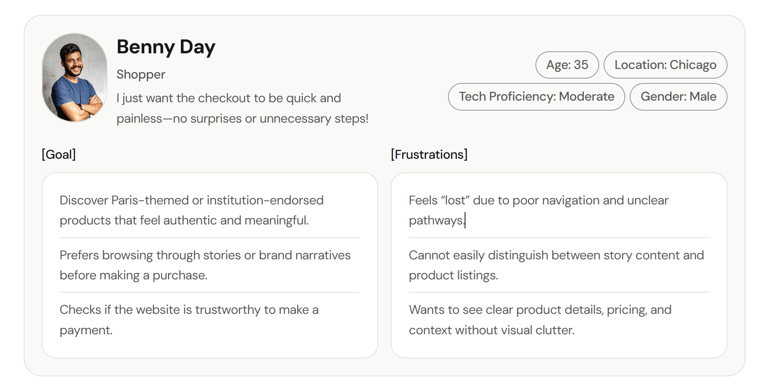
Navigation: Key actions (“Shop” and product categories) were buried, making it difficult for users to begin browsing.
Product Pages: Oversized, cluttered grids overwhelmed visitors and lacked hierarchy.
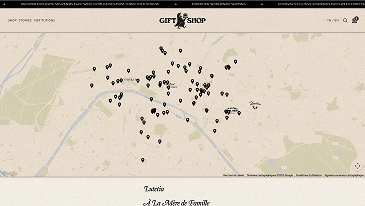
Institution Pages: Central partners felt underrepresented due to static content and poor visual structure.
Editorial Stories: Articles were long and unstructured, offering little visual storytelling or engagement cues.
Overall, the site prioritized aesthetics over usability, discoverability, and content hierarchy—leading to high bounce rates and limited conversions.
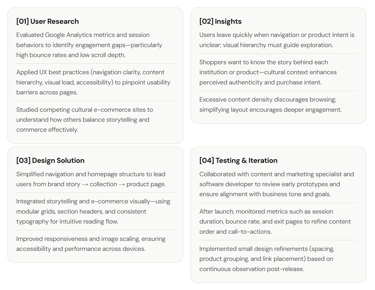
Project Management
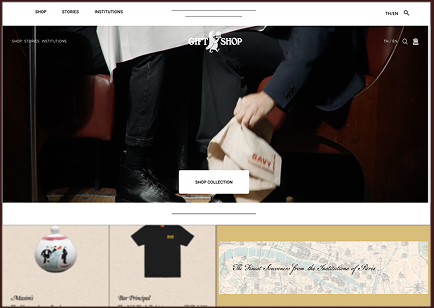
Recommended migrating from WordPress to Shopify, considering the organization’s limited development resources. Proposed CRM and plugin integrations to streamline content and inventory management.
Worked with the marketing and editorial teams to align design changes with storytelling and promotional schedules.
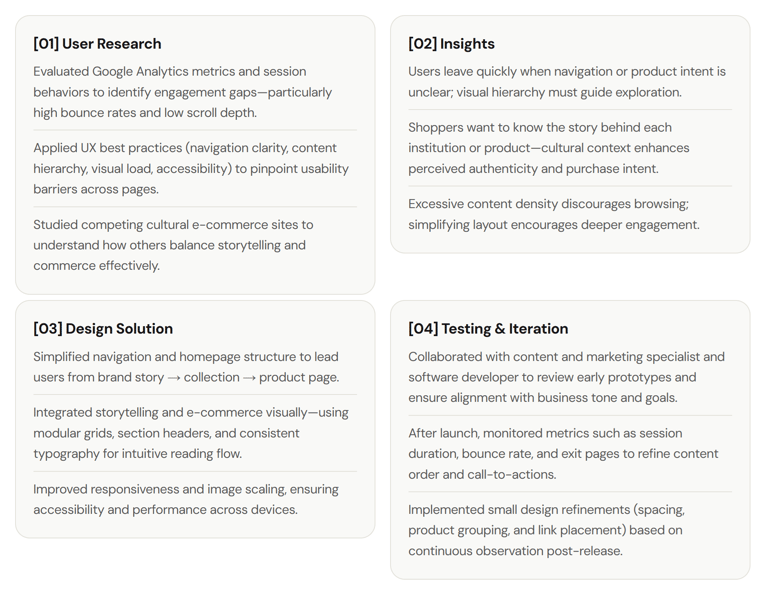
Identified high bounce rate issues and proposed evidence-based UX improvements—leveraging heuristic evaluation and professional judgment when formal user research was not feasible.
Suggested long-term improvements in marketing, analytics tracking, and content structure to support scalability.
Organized product requirement notes, timelines, and cross-departmental updates to maintain progress visibility.